Dr. Samaresh Chandra Sau
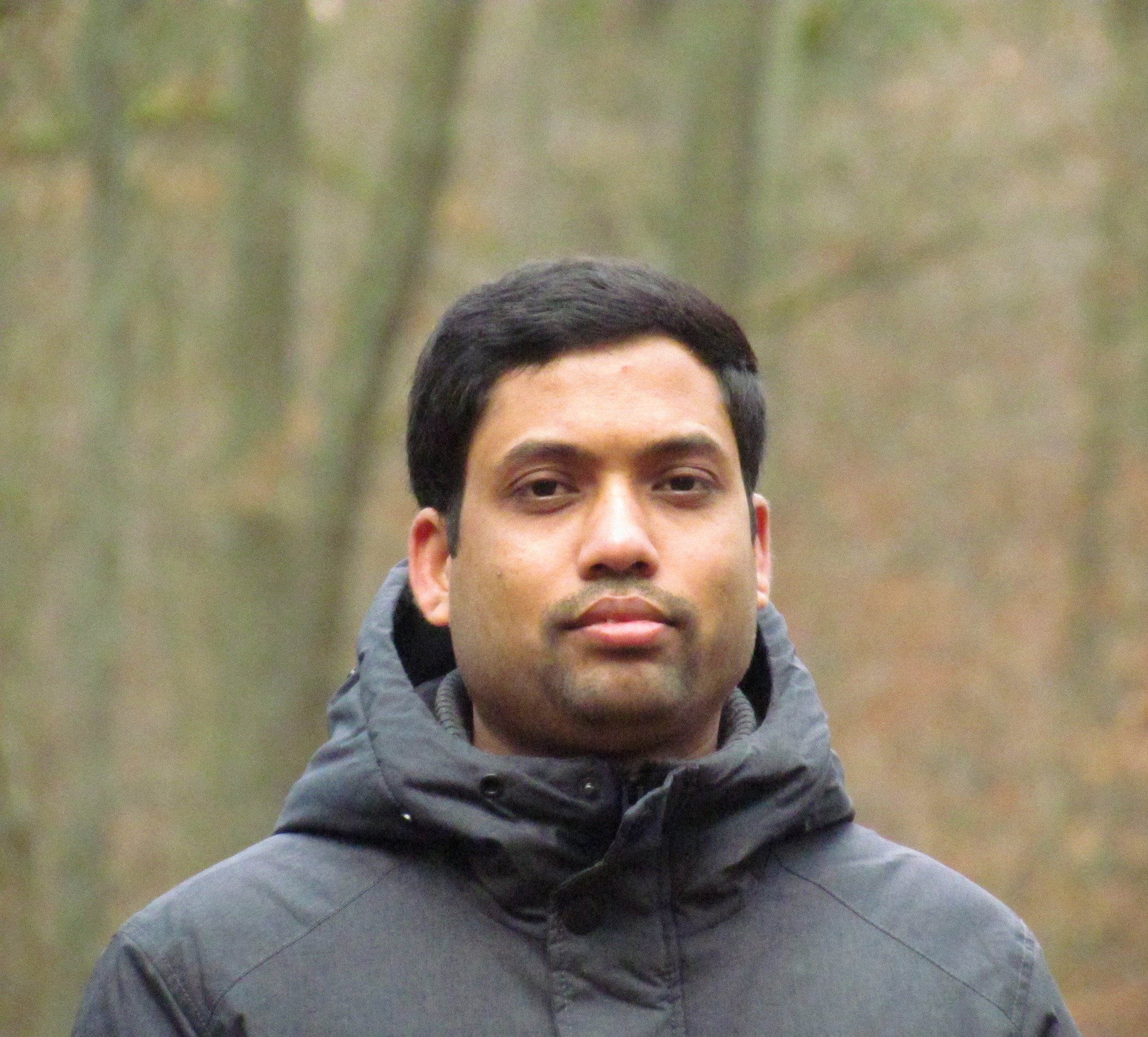
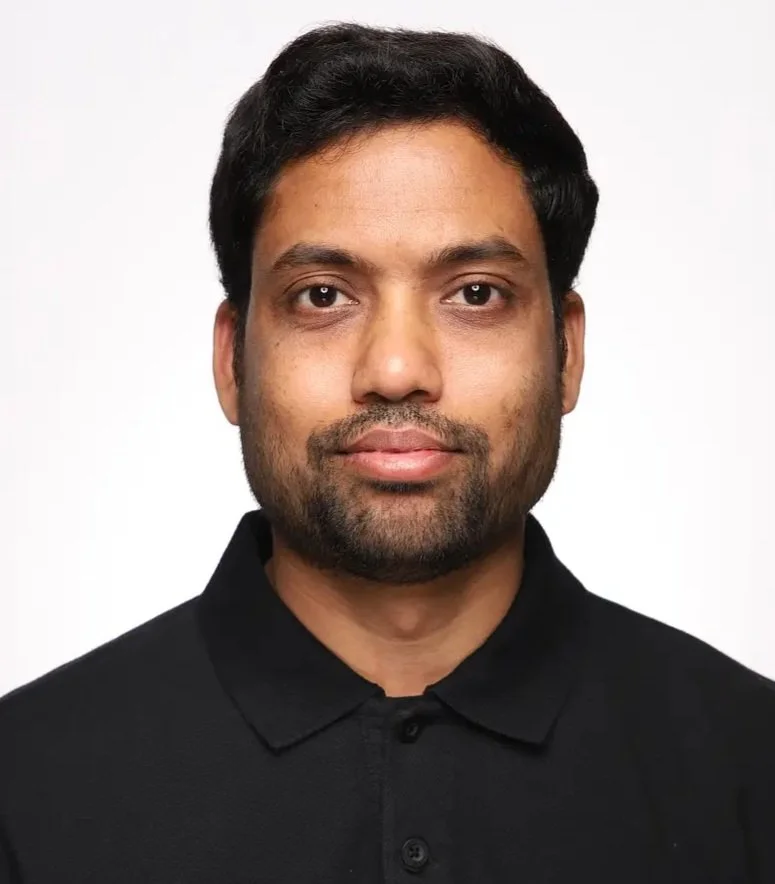
Dr. Samaresh Chandra Sau was born and raised in Contai, West Bengal, India. He received his MSc degree in Inorganic Chemistry from Vidyasagar University, West Bengal, India. In 2016, he earned his PhD from the Indian Institute of Science Education and Research Kolkata (IISER-K), West Bengal, India, under the supervision of Prof. Swadhin K. Mandal, supported by a University Grants Commission (UGC) fellowship. After completing his PhD, Dr. Sau worked as a Research Scientist on an industry-funded project (Invictus Oncology Pvt. Ltd. Delhi, India) at IISER Kolkata. He then pursued postdoctoral research at the Georg-August University of Göttingen, Germany, as a Science and Engineering Research Board (SERB) Overseas Postdoctoral Fellow under Prof. Dr. Lutz Ackermann. Later, Dr. Sau moved to the Technical University of Berlin, Germany, to work on an industry-funded project (BasCat-UniCat-BASF Joint Lab, Berlin, Germany) with Prof. Dr. Matthias Driess. Subsequently, he joined the group of Prof. Dr. Max M. Hansmann at the Technical University of Dortmund, Germany, for further postdoctoral research. In October 2025, Dr. Sau joined Rutgers University-Camden, NJ, USA, as a postdoctoral researcher with Prof. Santanu Malakar. This position is supported by a Chancellor’s Grant (Co-Investigator/Postdoctoral Fellowship). His current research focuses on developing molecular electron-transfer mediators with active catalytic cores for electrochemical nitrogen reduction and the reductive coupling of carbon monoxide.
Employment History



Postdoctoral Associate:
Rutgers University-Camden, Department of Chemistry, New Jersey, USA.
Grant: Chancellor’s Grant for Post-Doctoral Studies, New Jersey, USA.
Supervisor: Prof. Santanu Malakar
Project: Molecular electron-transfer mediators with an active catalytic core (phosphine-supported cobalt complexes) for electrochemical nitrogen reduction and reductive carbon monoxide coupling
Postdoctoral Scientist:
Technical University Dortmund, Faculty of Chemistry and Chemical Biology, Germany.
Supervisor: Prof. Dr. Max M. Hansmann
Project: Light-driven photoredox catalysis through the design of redox-switchable acridinium chromophore and N-heterocyclic carbene (NHC) hybrid systems
March 2022-December 2023
Postdoctoral Scientist (Industrial Experience):
Technical University Berlin, Germany
(funded by BasCat-UniCat BASF Joint Lab).
Supervisor: Prof. Dr. Matthias Driess
Project: Direct amination of benzene using ammonia gas with nickel complexes
(Due to intellectual property considerations, detailed results of this work remain confidential.)
October 2025-Present
January 2020-December 2021
Postdoctoral Scientist:
Georg-August University of Goettingen, Institute for Organic and Biomolecular Chemistry, Germany.
Fellowship: Science and Engineering Research Board (SERB) Overseas Postdoctoral Fellowship supported by the Government of India.
Supervisor: Prof. Dr. Lutz Ackermann
Project: Cobalt-catalyzed electrosynthetic protocol for the C-H/N-H activation of benzhydrazides with isocyanides and carbon monoxide.
January 2018-August 2019
Research Scientist (Industrial Experience):
Indian Institute of Science Education and Research Kolkata, West Bengal, India
(funded by Invictus Oncology Pvt. Ltd., Delhi, India).
Supervisor: Prof. Swadhin K Mandal
Project: Water-stable Pt(II)-based linker drugs as potent and durable anticancer agents.
(Due to intellectual property considerations, detailed results of this work remain confidential.)
October 2015-November 2017
Education
Ph.D. in Inorganic Chemistry (Organometallic Chemistry and Catalysis):
Indian Institute of Science Education and Research Kolkata (IISER-K), West Bengal, India.
Thesis Title: The First Isolated Abnormal N-Heterocyclic Carbene in Designing Homogeneous Catalysts
Fellowship: University Grants Commission (UGC), India.
Supervisor: Prof. Swadhin K. Mandal
Project: Developed transition metal-based organometallic catalysts (Pd and Cu) using glovebox and Schlenk line techniques involving air- and moisture-sensitive abnormal N-heterocyclic carbenes (aNHCs) for homogeneous catalysis. These catalysts played a crucial role in various organic transformation reactions, including Suzuki-Miyaura cross-coupling, click reactions, C-H bond activation, and multicomponent reactions.
In addition, my research has extended into the field of main-group element (boron) chemistry. Specifically, I have focused on the development of abnormal N-heterocyclic carbene–borane complexes incorporating isolated aNHCs for catalyzing the reduction of carbon dioxide to methanol. Furthermore, my investigations have encompassed the design of aNHC-borane complexes capable of directly capturing carbon dioxide from the atmosphere and subsequently converting it into an environmentally friendly alternative fuel.
Moreover, our collaboration with Prof. Guy Bertrand at the University of California, San Diego, USA, led to the publication of a comprehensive review article on abnormal N-heterocyclic carbenes.
2016
Master of Science (M.Sc. in Inorganic Chemistry):
Vidyasagar University, West Bengal, India.
2009
Bachelor of Science (B.Sc. in Chemistry):
Vidyasagar University, West Bengal, India.
2007